Dr Sketchy and the blue woman

Last week we went to our second Dr Sketchy event at the National Gallery. It seems odd that such an event takes place withing the formality of Gandel Hall, however everyone enjoys themselves, the burlesque is well done and the art making fun.

This time we had two male models which provided different body shapes and poses to come to terms with.

Three two minute poses, graphite, 2 July 2015

Three two minute poses, graphite, 2 July 2015

We worked up from two and five minute poses to longer poses at the end of the evening.

Two, five minute poses, graphite, 2 July 2015

Two, five minute poses, graphite, 2 July 2015

And then there was the blue woman. Two of the models were covered in body paint and despite the colour, or perhaps because of it, I found it much easier to come to grips with the shape of their bodies when I drew them. One of the women was painted blue (not Yves Klein blue I hasten to add) and wore a white wig. I really enjoyed drawing her.

Five minute pose, graphite, 2 July 2015

The Blue Woman, five minute pose, graphite, 2 July 2015

Per usual the gallery restriction on media meant I was limited in how I could respond to the colourful models. One of the other people at our table gave me some chalk pastels and pastel paper which allowed me to make a more colourful drawing.

The Blue Woman, chalk pastel, 2 July 2015

The Blue Woman, chalk pastel, 2 July 2015

I enjoy these evenings as I come away with a sense of having had a really good artistic workout.

The Tibetan Belt

I was away last week and stayed at a house filled with beautiful objects including this belt which I believe is Tibetan. I loved trying to capture it’s intricacies while trying to balance out with making the study ‘too tight’.

Belt with silver and coral, watercolour and graphite , 29 May 2015

Belt with silver and coral, watercolour and graphite , 29 May 2015

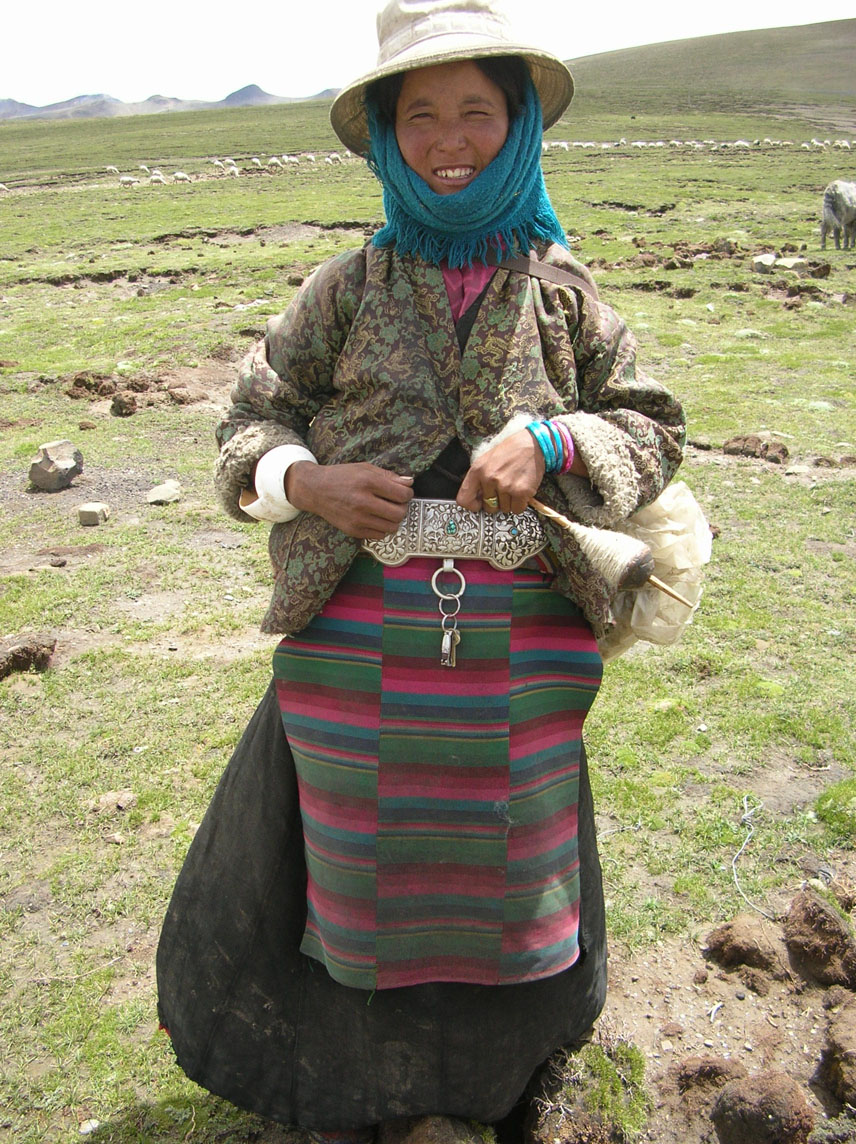
Tibetan belts can be quite elaborate items as I experienced first hand when traveling there some years ago. This woman was herding yaks and sheep and as my cynical partner would no doubt rightly note she was keeping an eye out for tourists passing along the main highway!

Tibetan woman herder

Tibetan woman herder

Working Wednesday

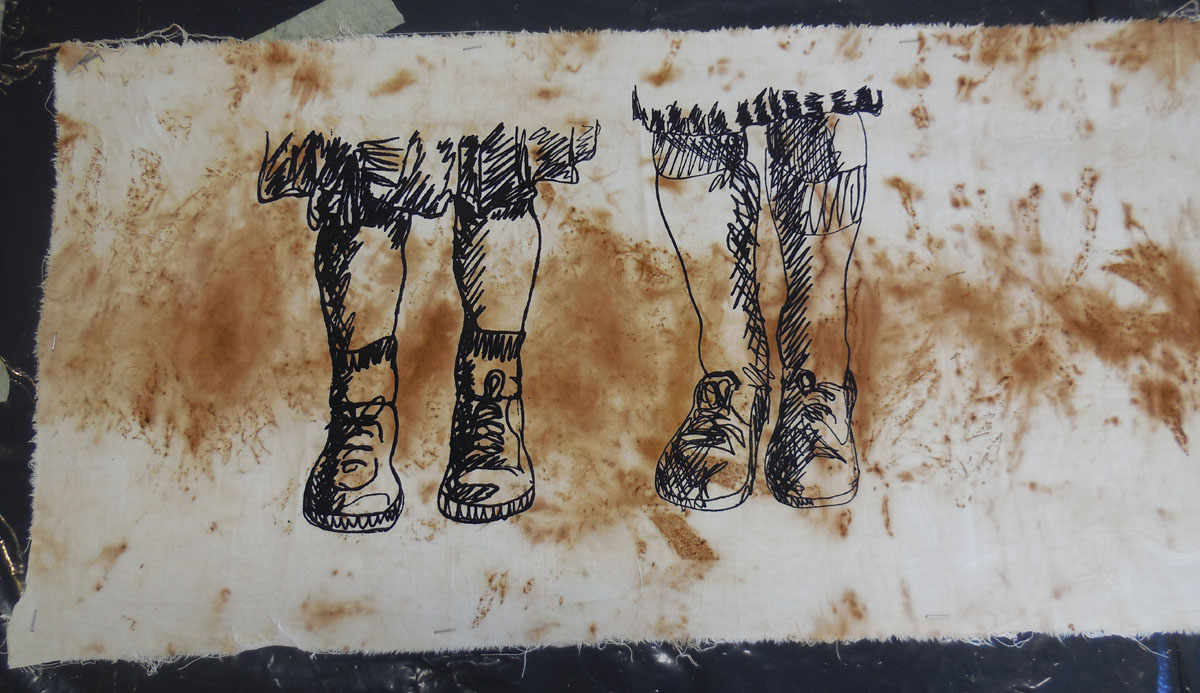
No cafe for me today. I was back at Megalo Print Studio + Gallery for my first screen printing session in ages. Things are starting off slowly. I’m looking at images for the show I’m in at the end of the year, so no time to waste. I’m testing out incorporating some of my drawing techniques into my work.

Dye screen print onto plant dyed cloth, 20 May 2015

Dye screen print onto plant dyed cloth, 20 May 2015

My ideas often develop more quickly when I’m actually ‘doing’ rather than sitting and thinking, so here’s to ‘doing’.

If you would like to see how Megalo operates there is a great, short video on their homepage, filmed by Rowan Grant of Sixth Row Productions.

Bye bye Betty

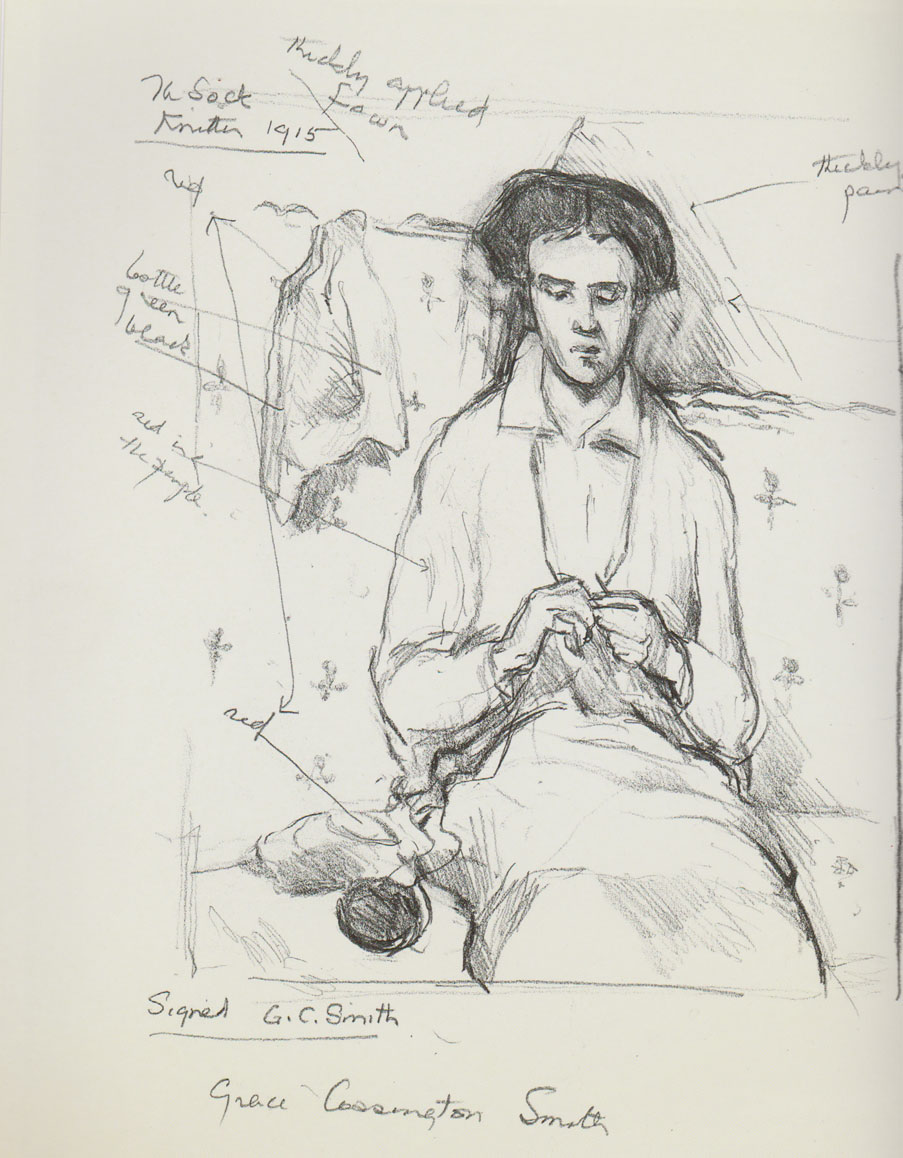
There was sad news today that Betty Churcher, to date still the only woman to be the head of the National Gallery of Australia, died earlier this week at the age of 84. It was a cruel irony that, prior to her death, this champion of the visual arts was losing her sight, because of a melanoma in one eye and to macular degeneration in the other.

What will stick in my mind is her commitment to sharing her knowledge of art with the broader Australian public and her commitment to drawing. On realising that her eyesight was failing, Churcher determined to visit her favourite works of art both in Australian and international galleries. The result are two stimulating books, Notebooks and Australian Notebooks which include her drawn studies of works of art. Her studies were made with such close observation that her drawings often reveal elements of extremely well-know paintings that I for one have totally missed.

She was truly a national treasure. So so long Betty, we’ll miss you!

Betty Churcher's drawing of The Sock Knitter by Grace Cossington Smith, 1915 in the collection of the Art Gallery of New South Wales

Betty Churcher’s drawing of The Sock Knitter by Grace Cossington Smith, 1915 in the collection of the Art Gallery of New South Wales